Not sure what people mean by indie folk music? It is acoustic, intimate songwriting with an independent, alternative streak, usually built on guitars, close harmonies and honest lyrics.
| Item | Value |
|---|---|
| Earliest origins | Folk artists with alternative rock influences |
| Debut that introduced many listeners | Fleet Foxes, 2008 |
| Frequently used instruments | guitars, banjos, mandolins, ukuleles |
| Labels that backed the sound | Saddle Creek, Barsuk, Ramseur, Sub Pop |
| Later revival albums | Folklore, Evermore, Punisher |
These figures come from Wikipedia’s indie folk entry and The Eagle’s genre deep dive. Pages get edited and opinions shift, so check the sources before you rely on them.
What indie folk music sounds like
Indie folk music takes the storytelling and acoustic textures of traditional folk and runs them through an indie sensibility. That means small-scale recording, personal songwriting and a willingness to bend the rules. If you want a short definition, what is indie folk covers it in more depth.
The first thing most listeners notice is the intimacy. A voice sits close to the microphone, a guitar is picked rather than strummed hard, and the room around the instruments is often audible. The songs feel like someone talking to you rather than performing at you.
The second thing is harmony. Many of the genre’s best-loved records lean on stacked voices, sometimes a whole band singing together in a way that recalls church choirs or campfire singalongs. Fleet Foxes made this their calling card, and The Eagle notes that “White Winter Hymnal” begins with the blend of the band’s voices accompanied by a tambourine.
The third thing is restraint. Indie folk rarely rushes. Songs breathe, build slowly and often end quietly, which is why the music suits long drives, rainy afternoons and late-night headphones.
A few traits turn up again and again:
- Acoustic instruments at the centre of the arrangement.
- Lyrics that read like diary entries, short stories or nature writing.
- Vocals that are soft, breathy or deliberately unpolished.
- Production that values warmth and space over loudness.
- A DIY or small-label attitude, even when an artist becomes famous.
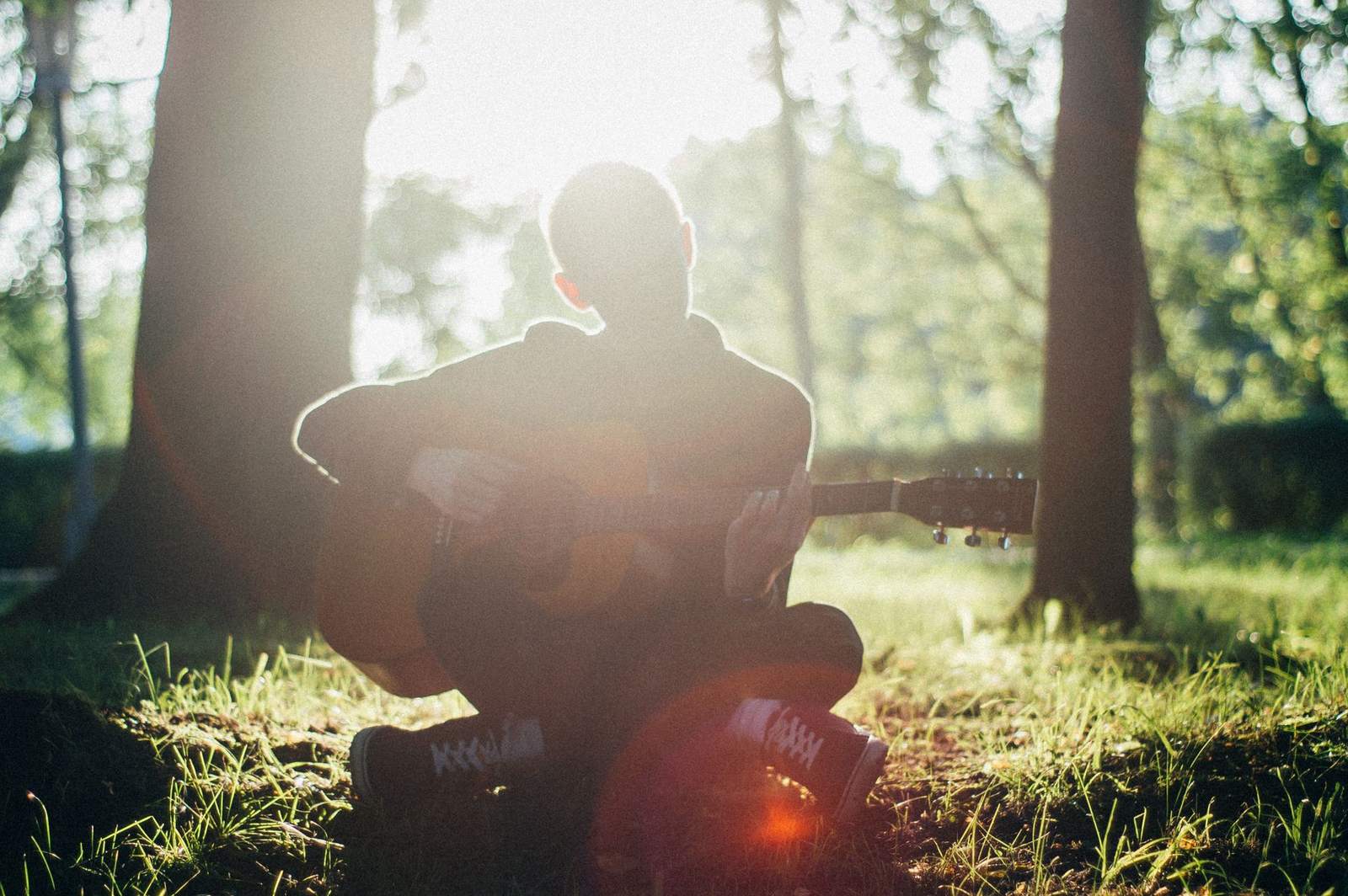
It helps to think about mood as much as sound. Indie folk tends to be reflective, a little wistful and often comforting, even when the subject matter is sad. People reach for it when they want music that keeps them company rather than music that demands attention.
That is also why the genre works so well in the background of ordinary life. It fits studying, cooking, walking and travelling, yet it also rewards sitting down with a good pair of headphones. Few styles manage to be both unobtrusive and deeply engaging.
The word “indie” deserves a note too. It started as a description of how music was released, through independent labels, and grew into a description of a way of sounding. Today an artist can sign to a large company and still be heard as indie because of the songwriting and the production choices.
None of this is a strict rulebook. Plenty of artists in the genre add synthesizers, drum machines or full orchestras and still feel like indie folk, because the songwriting and mood stay the same.
Where indie folk came from
The genre did not appear overnight. According to Wikipedia, it has its earliest origins in 1990s folk artists who displayed alternative rock influences, with names such as Ani DiFranco and Dan Bern, plus acoustic songwriters like Elliott Smith and Will Oldham. Those artists proved that an acoustic guitar could belong in the indie world as comfortably as a distorted one.
Independent labels did the rest. The same Wikipedia entry says labels such as Saddle Creek, Barsuk, Ramseur and Sub Pop helped to support indie folk. Small labels were willing to release quiet, odd or deeply personal records that big companies might have passed over.
Then came a breakthrough moment. The Eagle describes Fleet Foxes’ 2008 debut album as a hit and a true introduction to the genre for many people. It also says Sufjan Stevens, Fleet Foxes, The Decemberists and Iron & Wine are often credited as the first popular musicians in this space.
If you enjoy the story behind the sound, the history of indie folk follows these threads in more detail. Here is a rough sequence of how the genre grew:
- Folk-leaning songwriters absorb the attitude and sound of indie and alternative rock.
- Independent labels give those songwriters a place to release records.
- A handful of albums reach a wide audience and give the style a public face.
- Bigger acts bring banjos, stomping rhythms and singalong choruses to mainstream radio.
- A later generation returns to hushed, confessional songwriting.
On that fourth step, The Eagle lists Mumford & Sons, The Lumineers, Phoebe Bridgers, Hozier, Bon Iver and Lord Huron among newer names. Not everyone agrees on where indie folk ends and folk-pop begins, and that argument is part of the genre’s character.
Wikipedia adds that Taylor Swift, Phoebe Bridgers and Julien Baker revived interest in the genre in the late 2010s and the 2020s. It points to Swift’s Folklore and Evermore, Bridgers’ Punisher, and Baker’s Sprained Ankle, Turn Out the Lights and Little Oblivions. That revival brought many new listeners who had never heard of the earlier wave.
The sound also travelled well into film, television and advertising.
Instruments and the sound of the genre
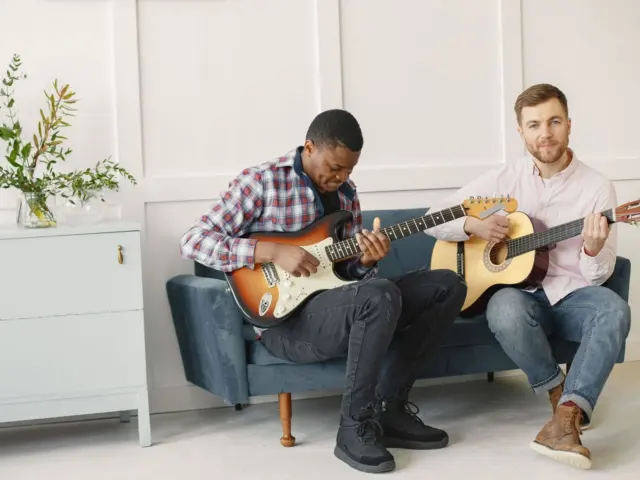
Wikipedia names guitars, banjos, mandolins and ukuleles among the instruments frequently used in the genre. That is a good starting picture, but real recordings are more varied. A closer look at indie folk instruments shows how pianos, violins, brass, harmoniums and even found sounds slip into the mix.
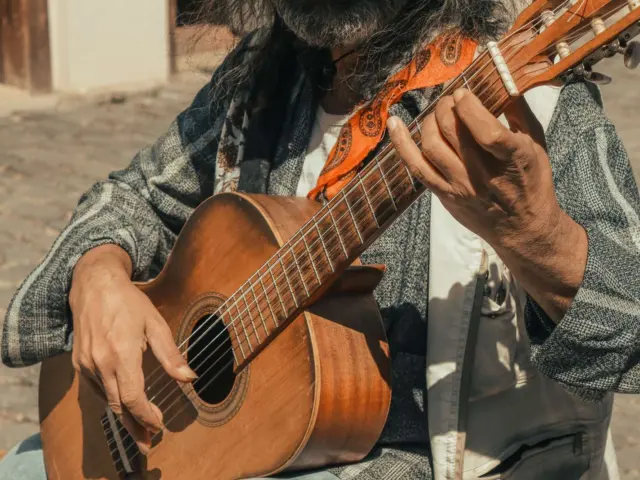
The acoustic guitar is the backbone. Fingerpicking patterns give songs a gentle rolling motion, while open tunings add a ringing, slightly unusual colour. Many players choose a battered, well-loved guitar over a pristine one, and that character carries into the recording.
The banjo and mandolin bring a rootsy brightness. They can make a song feel rural and old even when the lyrics are modern. The ukulele plays a similar role for artists who want something lighter and more playful.
Beyond the core instruments, producers use a few well-worn tricks:
- Layered vocals that turn one singer into a small choir.
- Reverb that makes a bedroom recording sound like a stone hall.
- Hand percussion such as tambourine, stomps and claps.
- Strings and horns added sparingly for emotional lift.
- Tape hiss and room noise left in on purpose.
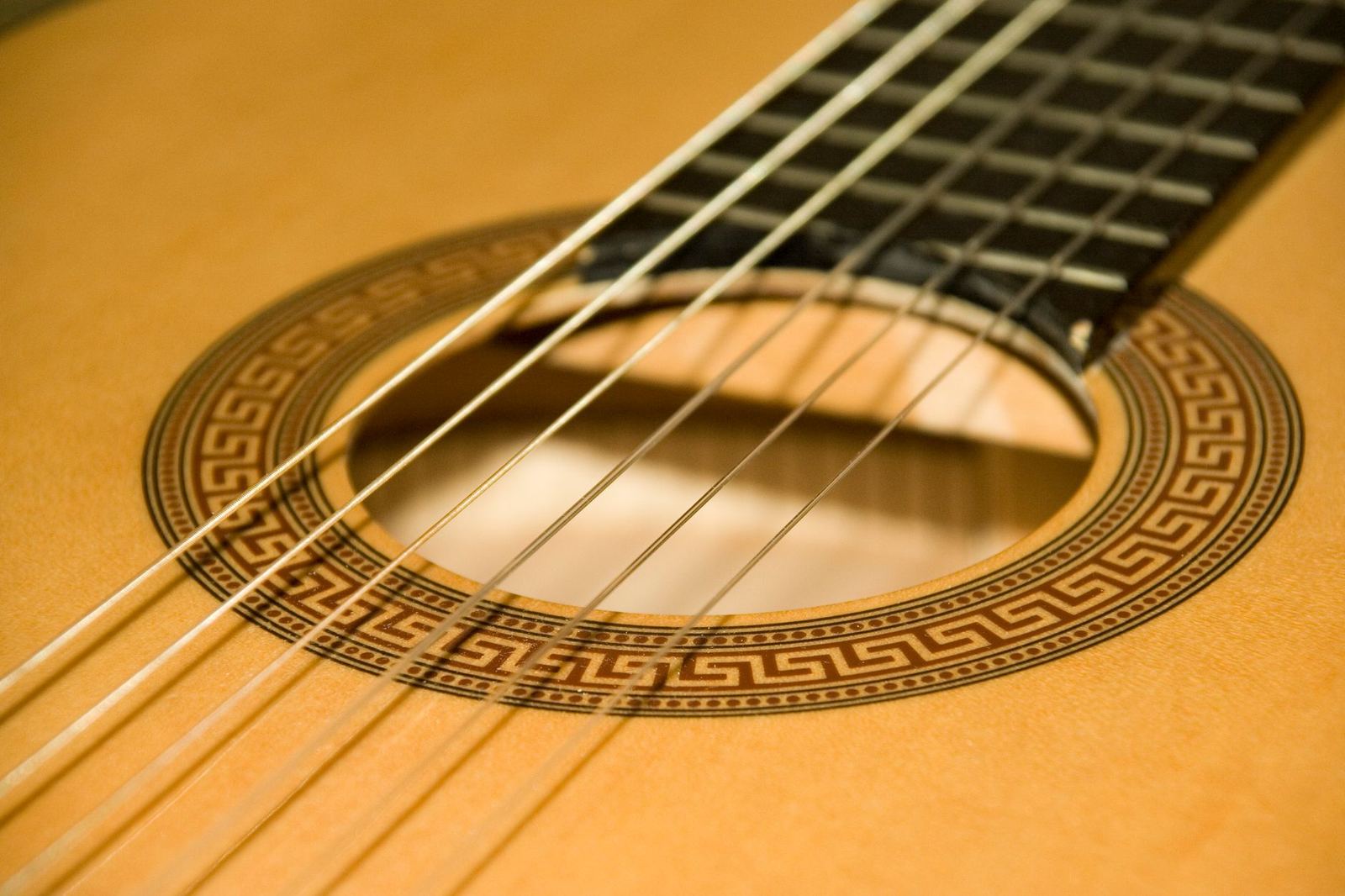
Voice is an instrument here as well. Some singers use a soft falsetto that floats above the guitar, while others use a low, grainy delivery that sounds almost spoken.
Arrangement follows a simple rule: leave space. A single piano chord can carry a verse, and a sudden burst of horns can feel enormous because the rest of the song was so spare. Silence is used as deliberately as sound.
The lo-fi approach matters as much as the instruments. An imperfect take can feel more truthful than a flawless one, and indie folk artists often keep the small mistakes. This is a large part of why the music feels human.
Subgenres and neighbouring styles
Indie folk is a broad umbrella, and several offshoots sit underneath it. Some lean darker, some lean more psychedelic, and some drift toward pop or country. A walk through the indie folk subgenres helps you find the corner that suits your taste.
One of the most talked-about offshoots is the strange, psychedelic side of the family. If you have seen the label used and wondered about it, the freak folk meaning explains where the term comes from and who it describes. Artists attached to it tend to favour unusual tunings, wandering song structures and unorthodox voices.
A more common confusion is with folk rock. Both use acoustic instruments and both draw on older traditions, but they feel different in practice. The comparison of indie folk vs folk rock goes through the differences. Here is the short version:
- Indie folk usually favours quieter dynamics, personal lyrics and independent-minded production.
- Folk rock usually favours a fuller band sound, with electric guitars and a steadier rock rhythm.
- The two overlap often, and many artists move between them from one album to the next.
Other neighbours include singer-songwriter music, Americana, chamber pop and dream pop. Listeners tend to drift across these borders without noticing. A playlist that starts with a hushed guitar ballad might end with something closer to a small orchestra.
Geography adds another layer. Scenes grew in places as different as small American towns, Scandinavian cities, the British countryside and Australian coasts, and each brought local flavour. A Nordic artist may sound icy and spacious, while an Appalachian-inspired one may sound earthy and warm.
Eras matter too. Records made in the early wave tend to sound homemade and hushed, while later ones often use bigger studios and more polished arrangements. Hearing both side by side shows how much the genre has stretched without losing its core.
Labels are best treated as signposts rather than walls. If a song moves you and has acoustic warmth, an independent spirit and a thoughtful lyric, nobody is going to stop you calling it indie folk.
Lyrics and themes: what the songs are about
Lyrics are where the genre shows its heart. Songs often deal with memory, loss, love, family and place, written in a way that feels specific rather than generic. The deeper dive on indie folk lyrics themes breaks these down song by song.
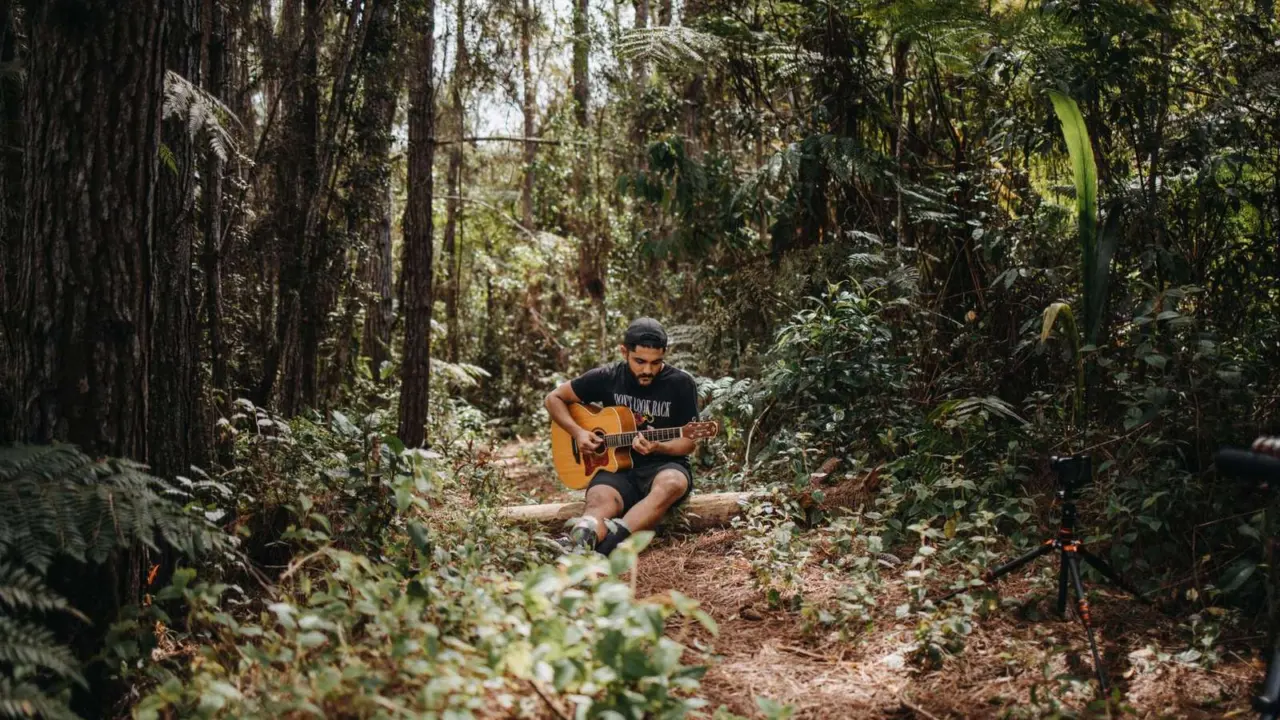
Nature is a constant presence. Forests, rivers, winters and small towns appear as both settings and metaphors, so a song about snow can really be about grief or distance. That pastoral imagery is part of why the genre pairs so naturally with autumn and winter.
Another recurring subject is the inner life. Many songs describe anxiety, loneliness, recovery or the awkward process of growing up. They tend to be honest without being melodramatic, which is what draws so many listeners to them.
Common lyrical approaches include:
- Narrative songs that tell a short story with named characters.
- Confessional songs written in the first person.
- Impressionistic songs built from images rather than plot.
- Songs that reimagine old myths, hymns or folk tales.
Religion and spirituality also surface, often in unconventional ways. A song may borrow the language of a hymn without preaching, or wrestle with doubt and faith in the same verse. This gives the genre a reflective, searching quality that many listeners value.
Politics and the wider world appear less often, and usually through a personal lens. Instead of slogans, a songwriter might describe one house, one job or one road. The small detail does the work of the big idea.
Because the words are so central, the genre rewards careful listening. A first listen may carry you along on the mood, and a second or third often reveals a line you missed. Reading lyrics alongside the music is a good habit.
Artists, live music and where to start
The easiest way into the genre is through the artists who shaped it. A curated tour of indie folk artists covers the key names, and The Eagle’s list of Sufjan Stevens, Fleet Foxes, The Decemberists and Iron & Wine is a sensible shortlist for the early wave. For the later and newer wave, Bon Iver, Lord Huron, Hozier and Phoebe Bridgers make a good second shortlist.
If you would rather have a step-by-step plan, the guide on how to get into indie folk lays out an easy listening path. In the meantime, here is a simple way to begin:
- Start with one landmark album, such as Fleet Foxes’ debut.
- Pick the song on it that moves you most and note what you like: the voice, the words, the guitar.
- Follow that thread to a similar artist and listen to a full record rather than single tracks.
- Try one artist from the revival, such as Phoebe Bridgers, to hear how the sound has changed.
- Build your own playlist, and let it grow slowly.
Live music is where the genre can feel most special. Quiet songs in a hushed room, or a field full of people singing a chorus together, are hard to match. If you want to plan a trip, indie folk festivals is the place to explore what is on offer, though dates and line-ups change, so check each festival’s own announcements.
Small venues, listening rooms and local open-mic nights also matter. Many artists in the genre start in exactly those places, and seeing someone play a few feet away is a different experience from streaming. It is also the best way to discover your next favourite act.
Albums are the natural unit for this music. Many records are sequenced like a short book, with themes that return and a closing track that ties things together. Listening in order, without shuffle, is the best way to hear what the artist intended.
It also helps to read about the artists you like. Interviews, liner notes and live recordings often explain a song’s origin, and that context can deepen the way it lands. Treat discovery as a slow hobby rather than a chore.
Finally, remember that taste is personal. Some people love the choral grandeur of the big records, and others prefer a single voice and a guitar recorded in a bedroom. Both are indie folk, and both are worth your time.
Frequently asked questions
What is indie folk music in simple terms?
Show answer
It is acoustic, songwriter-driven music with an independent or alternative feel. Expect guitars, soft or harmonised vocals, and personal lyrics about life, love and nature.
Is Mumford & Sons indie folk?
Show answer
The Eagle lists Mumford & Sons among the newer acts in the genre, though some listeners prefer to call them folk-pop. Both views are common, and the answer depends on how loosely you define the style.
Which instruments are used most?
Show answer
Frequently used instruments include guitars, banjos, mandolins and ukuleles. Pianos, strings and percussion also appear often.
Where should a beginner start?
Show answer
A good first step is the Fleet Foxes debut from 2008, which The Eagle calls a true introduction to the genre. From there, follow whichever voice or lyric grabs you.
Is indie folk the same as folk rock?
Show answer
No, though they overlap. Indie folk tends to be quieter and more personal, while folk rock usually has a fuller electric band sound.