

Wondering where to start with Sufjan Stevens? Begin with Illinois for the big, orchestral side, then move to Carrie & Lowell for the quiet, personal side. Both show how his writing changes shape from album to album.
This profile is part of our guide to indie folk artists.
| Item | Value |
|---|---|
| Debut album | A Sun Came, released in 2000 |
| Seven Swans | Released March 2004 |
| Illinois | 2005; reached number one on Billboard Top Heatseekers |
| The Age of Adz | Released October 12, 2010 |
| Javelin | Tenth studio album, October 2023 |
The figures come from Wikipedia’s Sufjan Stevens entry. Dates and counts can change, so check the source before you rely on them.
Who is Sufjan Stevens?
Stevens is a singer-songwriter and multi-instrumentalist. He plays guitar, and his work is usually filed under indie folk, chamber pop and electronica.
His first record, A Sun Came, appeared in 2000 on Asthmatic Kitty, the label he co-founded with his stepfather. He began his musical career in a folk-rock band from Holland, Michigan, and he did not learn guitar until his time at Hope College.
That late start fits his habits as a writer. He tends to build songs from piano, banjo and layered arrangements rather than from a single guitar voice.
The Fifty States idea and Illinois
After Michigan, Stevens announced an intent to write an album for each of the 50 U.S. states, which he called the Fifty States Project. The Michigan album mixes scenic description with declarations of faith, sorrow and love.
The second entry was Illinois. It brought him wide recognition, and it topped the Billboard Top Heatseekers chart in 2005, helped by the single “Chicago”.
The record is the clearest example of his symphonic side. Strings, brass, choirs and banjo sit next to short, odd song titles and stories about people and places.
- Place as a character: towns, landmarks and historical figures become the subjects of the songs.
- Arrangement as storytelling: the horns and strings carry as much feeling as the lyrics.
- Faith in the background: religious imagery shows up even when the song is about a city or a person.
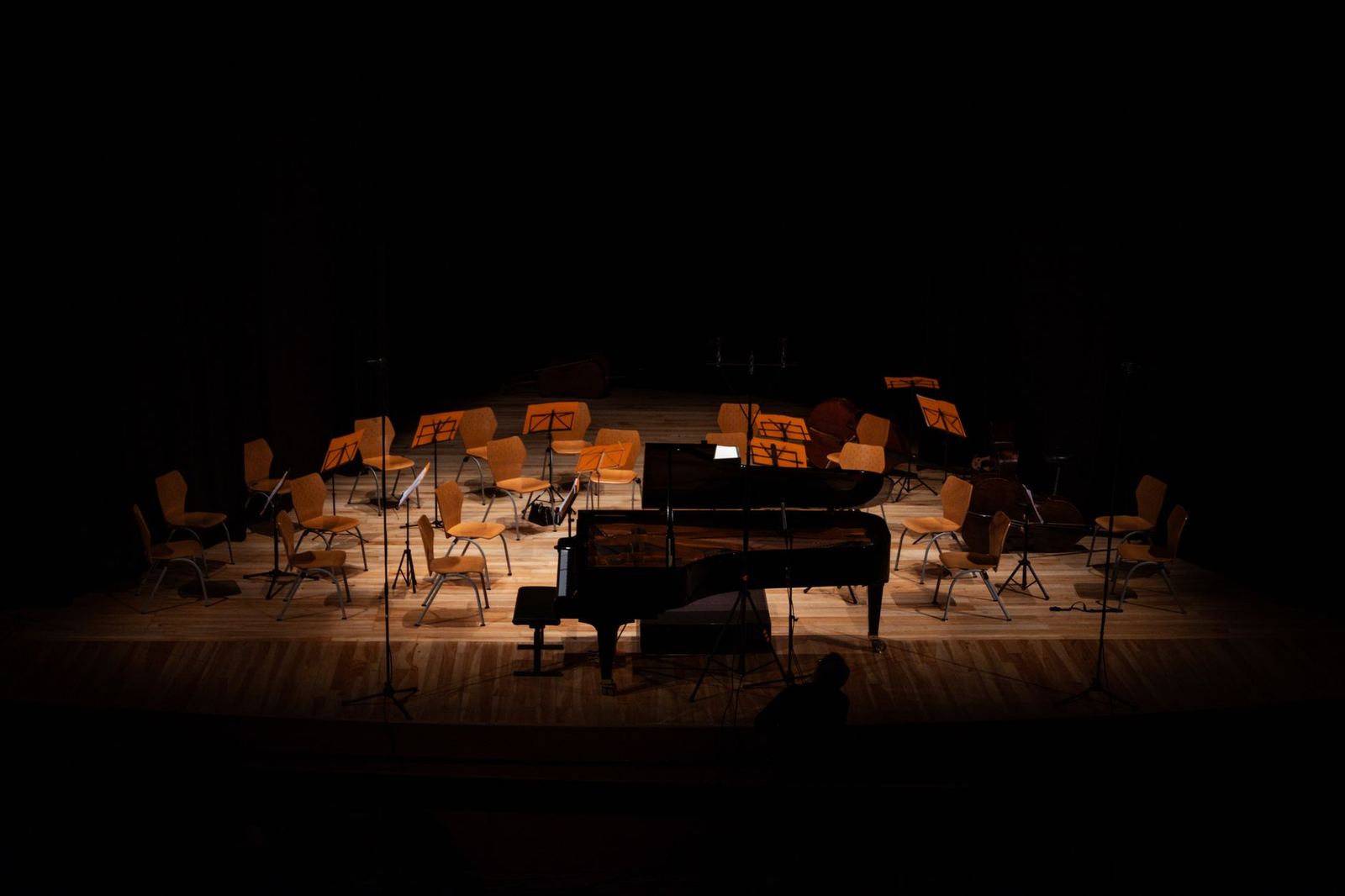
Small rooms: Seven Swans and Carrie & Lowell
Not every Stevens album is large. Seven Swans, released in March 2004, is described as lo-fi folk, and it shows how far a few instruments and a hushed voice can go.
Carrie & Lowell returns to that quiet style, and it is the album people often point to when they want his most personal writing. Stevens was raised mostly by his father and stepmother and only occasionally visited his mother, Carrie, in Oregon after she married Lowell Brams.
The album takes its title from those two people. Its songs deal with family, grief and distance, and the plain arrangements leave little between you and the words.
One later record has been described as his first singer-songwriter album since Carrie & Lowell. That shows how the quiet style stands apart in his catalogue.
Electronics and collaboration
The Age of Adz went the other way. NPR streamed it until its release on October 12, 2010, and it is known for electronica. Around that period his arrangements ranged from orchestral to electronic.
The shift matters for how you hear his writing. On Illinois the song comes first and the arrangement serves it, while on The Age of Adz the sound design pushes the songs into stranger territory.
Listen to the two records back to back and the same habits show up: long song forms, spoken-word-like confessions and sudden swells that turn a quiet verse into something huge.
Side projects, Planetarium and Christmas albums
Stevens treats a side project as a real album, not a throwaway. With fellow Brooklyn musicians Nico Muhly and Bryce Dessner, he performed a classical project called Planetarium, a song-cycle based around the planets in the Solar System, in countries such as England, The Netherlands, Australia and France from March to July 2012.
He also has a long-running habit of making holiday records. Silver & Gold contains 58 songs, which brings the total to 100 when combined with his first set of Christmas albums, Songs for Christmas.
These projects tell you something about his writing. He is happy to work at huge scale, to write for other musicians, and to treat a theme, whether the planets or a holiday, as a reason to keep composing.
- Collaboration: Sisyphus with Son Lux and Serengeti, and Planetarium with Muhly and Dessner.
- Seasonal work: two sets of Christmas albums, 100 songs in total.
- Film work: the Call Me by Your Name soundtrack.
He also works with others. On March 18, 2014, he released the self-titled album Sisyphus with Son Lux and the rapper Serengeti.
He has written for film too. Stevens later contributed to the soundtrack of the 2017 film Call Me by Your Name.
What to listen for in the writing
Across these records, three habits stand out. Each one is easy to hear once you know to look for it, and each helps explain why his albums feel so different yet still sound like the same person.
- Detail over summary: he names streets, animals, relatives and small objects, so a big feeling arrives through a concrete image.
- Arrangement as a second narrator: a banjo line, a choir or a burst of synthesizer often says what the lyric holds back.
- Faith and doubt in the same verse: spiritual language appears next to sorrow and love rather than above them.
Treat the quiet albums and the loud albums as two answers to one question: how do you make a private feeling audible? Sometimes the answer is a whisper over a single instrument, and sometimes it is a full ensemble.
If an album does not land on the first pass, try another one from a different period. His catalogue rewards moving around, and a record that felt cluttered can make sense after you have heard the stripped-back ones.
How to listen across his albums
Stevens has put out albums of very different styles, so the order you play them in matters. This path works for most new listeners:
- Illinois: start with the full, orchestral songwriting.
- Seven Swans: hear the same writer with almost nothing around the voice.
- Carrie & Lowell: listen for how personal grief changes the songs.
- The Age of Adz: try this once you want the electronic side.
- Javelin: his tenth studio album, released in October 2023, closes the loop for recent listening.
If you like his hushed, folk-based style, you may also enjoy Fleet Foxes for choral harmony or Iron & Wine for gentler, close-mic folk.
Frequently asked questions
Which Sufjan Stevens album should I hear first?
Show answer
Illinois is the usual first pick. It reached number one on the Billboard Top Heatseekers chart and includes “Chicago”.
What was the Fifty States Project?
Show answer
It was Stevens’ stated plan to write an album for each of the 50 U.S. states. It began with Michigan and continued with Illinois.
Is Sufjan Stevens only a folk artist?
Show answer
No. His albums range from lo-fi folk on Seven Swans to the electronica of The Age of Adz and the symphonic sound of Illinois.
Has he worked on film music?
Show answer
Yes. He contributed to the 2017 film Call Me by Your Name.