You heard “indie folk” and can’t tell what it means. What is indie folk? It is acoustic, storytelling folk shaped by the do-it-yourself spirit of indie music.
| Item | Value |
|---|---|
| Earliest origins | 1990s folk artists with alternative rock influences |
| Common instruments | Guitars, banjos, mandolins and ukuleles |
| Typical lyrics | Raw emotional experiences, social commentary, an introspective lens |
| Early supporting labels | Saddle Creek, Barsuk, Ramseur and Sub Pop |
| Paste Magazine’s 2020 verdict | “About as nebulous as they come” |
These points come from Wikipedia’s indie folk entry. Genre descriptions change as the music does, so check the source before you rely on them.
This guide is part of our wider look at indie folk music, and it covers the basics: the definition, the sound, the lyrics and where the style came from.
A plain definition of indie folk
Indie folk sits where two traditions meet. From folk it takes storytelling and acoustic guitar melodies. From indie it takes an independent, experimental attitude.
Wikipedia puts it this way: “The genre blends the ethos and experimental nature of indie music with the storytelling of folk music.” It also says indie folk “hybridizes the acoustic guitar melodies of traditional folk music with contemporary instrumentation.”
So it is not one fixed sound. It is a loose family of songs that feel handmade, personal and close to the listener.
Why the label is so slippery
Nobody has drawn a hard border around the genre. The staff of Paste Magazine said in 2020 that “indie folk” is about as nebulous as genres come.
That vagueness is part of how people use the term. It covers quiet singer-songwriters, big choral bands and artists who add electronics to acoustic songs.
If a record is mostly acoustic, sounds personal and has an independent feel, the label usually fits. If you are unsure whether a band is closer to rock, our guide to indie folk vs folk rock covers the difference.
How indie folk sounds
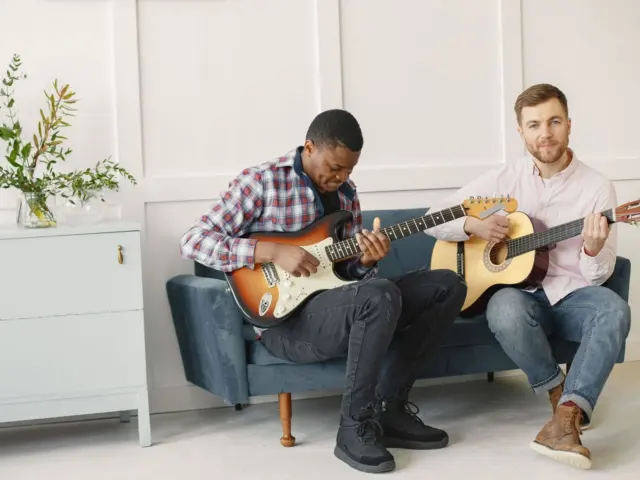
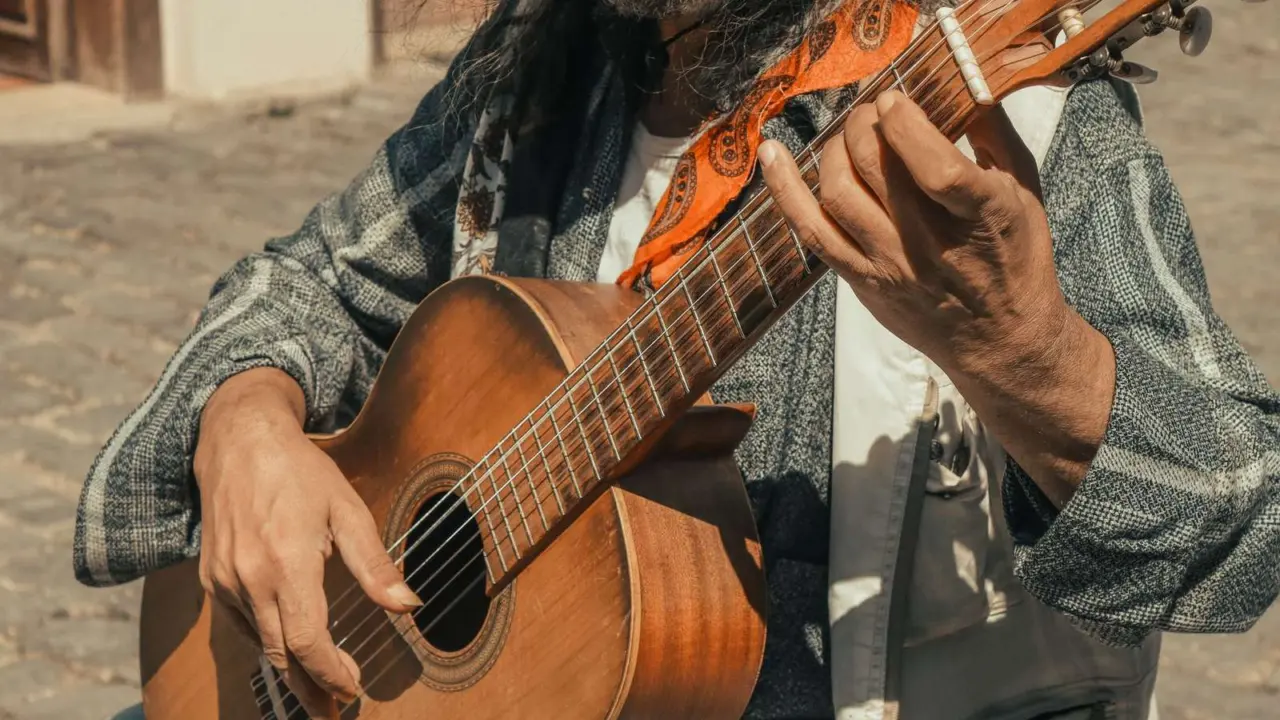
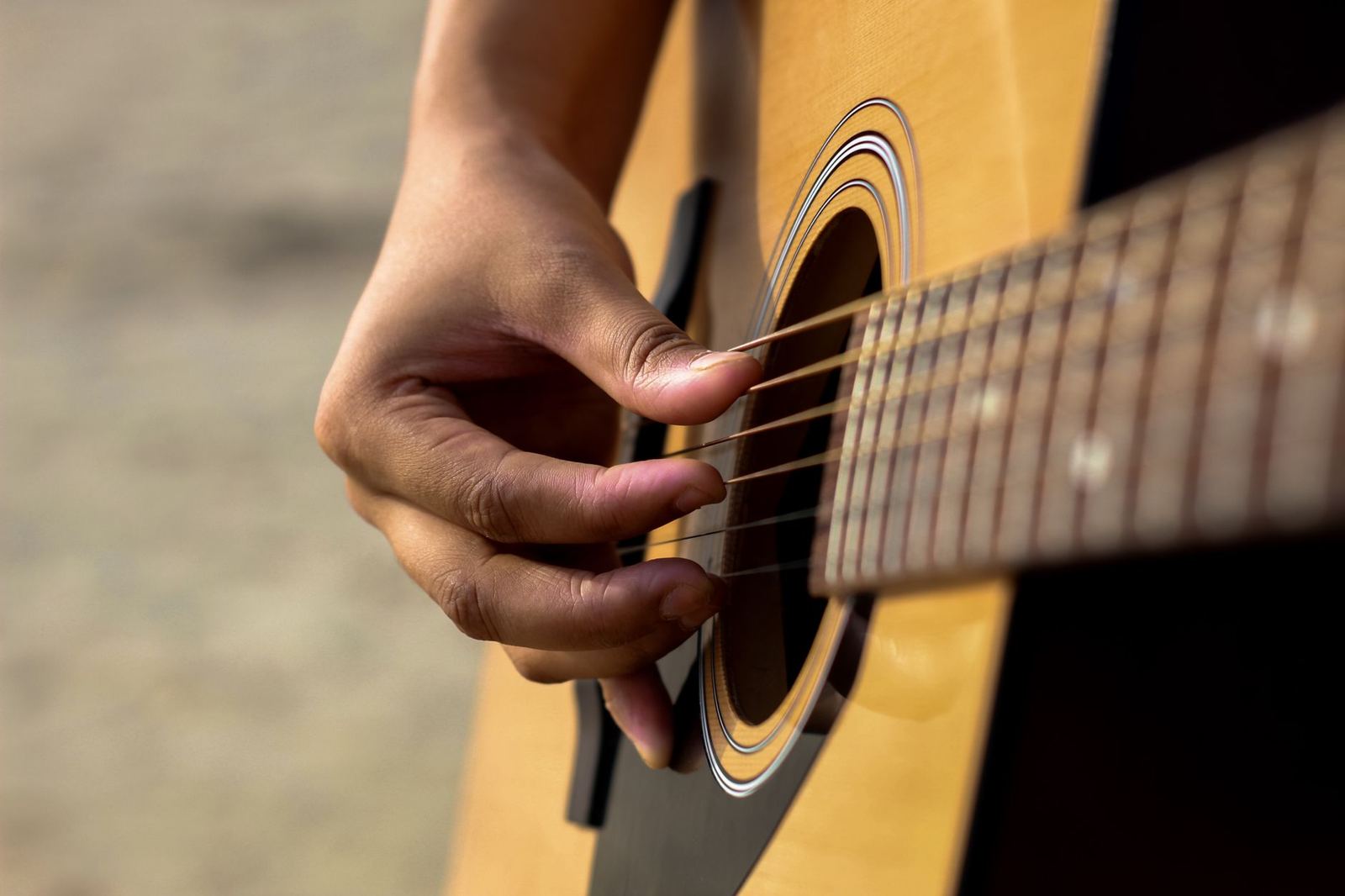
The sound starts with acoustic instruments. According to Wikipedia, guitars, banjos, mandolins and ukuleles are used often in the genre.
Listen for these features when you try a new track:
- Fingerpicked or strummed acoustic guitar at the centre of the song.
- Lyrics about raw emotional experiences or social commentary, with an introspective lens.
- Added contemporary touches, such as electric textures or other modern instrumentation.
- A home-made, intimate feel in the recording.
Not every song has all four. A track with only two or three of them can still feel like indie folk.
What the lyrics are about
Lyrics are a big part of the pull. Wikipedia describes the usual style as including “raw emotional experiences, social commentary and an introspective lens.”
In practice that means songs about relationships, grief, home, nature, doubt and growing up. The tone tends to be reflective rather than boastful, and songs often read like diary pages set to music.
Where indie folk came from
Wikipedia traces the earliest origins to 1990s folk artists who showed alternative rock influences, such as Ani DiFranco and Dan Bern. It also names acoustic artists such as Elliott Smith and Will Oldham.
In the following decade, labels such as Saddle Creek, Barsuk, Ramseur and Sub Pop helped to support indie folk. Independent labels mattered because the music grew outside the mainstream.
Two records that show the sound
Two albums help make the definition concrete. Both are described by Wikipedia’s page on For Emma, Forever Ago and its page on Fleet Foxes.
Bon Iver’s For Emma, Forever Ago
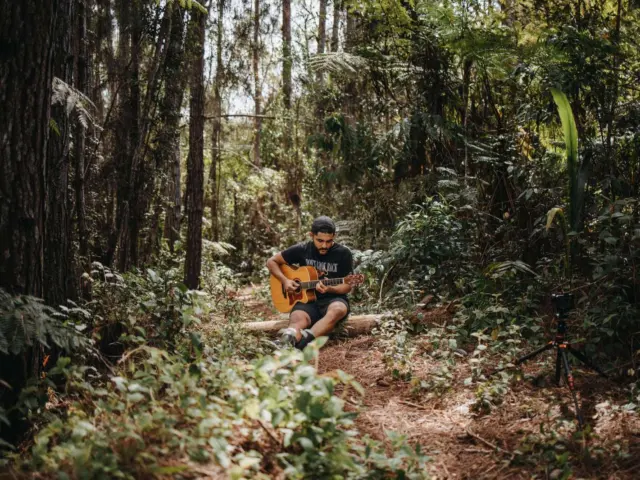
Justin Vernon left Raleigh and drove to his father’s remote hunting cabin an hour northwest of his hometown, Eau Claire, Wisconsin, hoping to be alone. The songs he made there are described as “folk-infused”, with heavy choral arrangements, falsetto vocals and horns.
The record was first self-released in July 2007. It saw wide release on the Jagjaguwar label in February 2008, and Wikipedia says it became a major commercial success for that independent label.
It is a good example of the do-it-yourself side of the genre: a personal story, a handmade feel and a quiet, close sound.
Fleet Foxes and the harmony-led approach
Fleet Foxes are described by Wikipedia as an American indie folk and folk rock band. They came to prominence in 2008 with the EP Sun Giant and their self-titled debut album on Sub Pop.
Critics have often noted the band’s use of refined instrumentation and vocal harmonies. Their second album, Helplessness Blues (2011), reached number 4 on the Billboard 200, which shows how far the genre can travel beyond small rooms.
Where Bon Iver feels solitary, Fleet Foxes often sound communal. Both still sit under the same loose label.
Signs a song is indie folk
No single test works, but a few questions help you decide. Use them as a rough checklist rather than a rule.
- Is the core acoustic? Guitar, banjo, mandolin or ukulele usually carries the tune.
- Is there a story or a confession? The words lean on storytelling and an introspective lens.
- Does it feel independent? The artist may have started on a small label or recorded on a small budget.
- Is there a modern twist? Contemporary instrumentation, harmonies or electronic colour set it apart from older folk.
Plenty of songs break one or two of these and still fit. The genre is defined more by feel than by a checklist, which is why people argue about its edges.
Why independent labels matter to the genre
The word “indie” began as a description of how music is released, and it later became a sound and an attitude. In indie folk, both meanings still show up.
Wikipedia credits labels such as Saddle Creek, Barsuk, Ramseur and Sub Pop with supporting the genre in the decade after its 1990s beginnings. Jagjaguwar, an independent label, released Bon Iver’s breakthrough album.
How to start listening
- Pick one artist named above and play a full album, not a single track.
- Notice whether the voice, the guitar or the words pull you in first.
- Follow that thread to similar artists on the same labels.
- Try hearing the music live. Our list of indie folk festivals is a good place to begin.
Frequently asked questions
Is indie folk the same as folk?
Show answer
No. Traditional folk is the root, but indie folk mixes folk storytelling and acoustic guitar with contemporary instrumentation and an indie attitude.
What instruments are common in indie folk?
Show answer
Guitars, banjos, mandolins and ukuleles are frequently used, according to Wikipedia’s indie folk entry.
When did indie folk start?
Show answer
Wikipedia places its earliest origins in 1990s folk artists with alternative rock influences, and says independent labels helped it grow in the following decade.
Why is indie folk hard to define?
Show answer
Paste Magazine’s staff said in 2020 that it is about as nebulous as genres come, because it covers many styles under one label.