Wondering which indie folk festivals deserve your time and money? Start with Newport in Rhode Island, Green Man in Wales and Cambridge in England. Each shows a different side of the scene.
| Festival | Key fact |
|---|---|
| Newport Folk Festival | Started in 1959 by George Wein |
| Newport venue | Fort Adams State Park, Newport, Rhode Island |
| Newport revival | Revived in 1985 after the 1960s run |
| Cambridge Folk Festival format | Announced in July 2025 for 2026: multi-venue festival with a two-day outdoor event at Cherry Hinton Hall |
Figures come from Wikipedia’s Newport Folk Festival entry and Cambridge City Council. Festival details change often, so check the source and the festival’s own site before you rely on them.
This guide is independent and not connected to any festival named here. It is a starting map, not a booking service. If you are new to the genre, our guide to indie folk music gives the wider picture.
What makes a festival an indie folk festival?
There is no official badge. A festival earns the label through its lineup and atmosphere: acoustic instruments, personal songwriting, and room for quiet moments alongside louder ones.
Many of the best events mix genres. You may hear a banjo band, a singer-songwriter and an electric rock group on the same day.
If the label itself is fuzzy to you, read what is indie folk first. It will help you judge a poster at a glance.
Look for these signs when scanning a lineup:
- Songwriters who headline with an acoustic guitar or small band
- Stages that suit listening, such as tents, gardens or amphitheatres
- A mix of established names and new acts
- Room for traditional folk, roots and Americana alongside indie
Newport Folk Festival, Rhode Island
The Newport Folk Festival was started in 1959 by George Wein, who also founded the Newport Jazz Festival. According to Wikipedia, it was held in 1959 and 1960, then annually from 1963 to 1969.
Wein revived it in 1985, and it has been staged annually at Fort Adams State Park since. Its history is closely tied to Bob Dylan, whom manager Albert Grossman pushed Wein to let close a night.
For a modern visitor, the lesson is how much a festival can shape a genre. The 1960s debates about acoustic and electric sound still echo in indie folk today.
Check the festival’s official channels for the current lineup, ticket rules and dates, because they can change every season.
It also helps to read about the festival’s past before you go. Knowing why a crowd once argued over a plugged-in guitar makes a modern set by a band with drums and amplifiers feel less like a break with tradition and more like part of a long conversation.
Green Man Festival, Wales
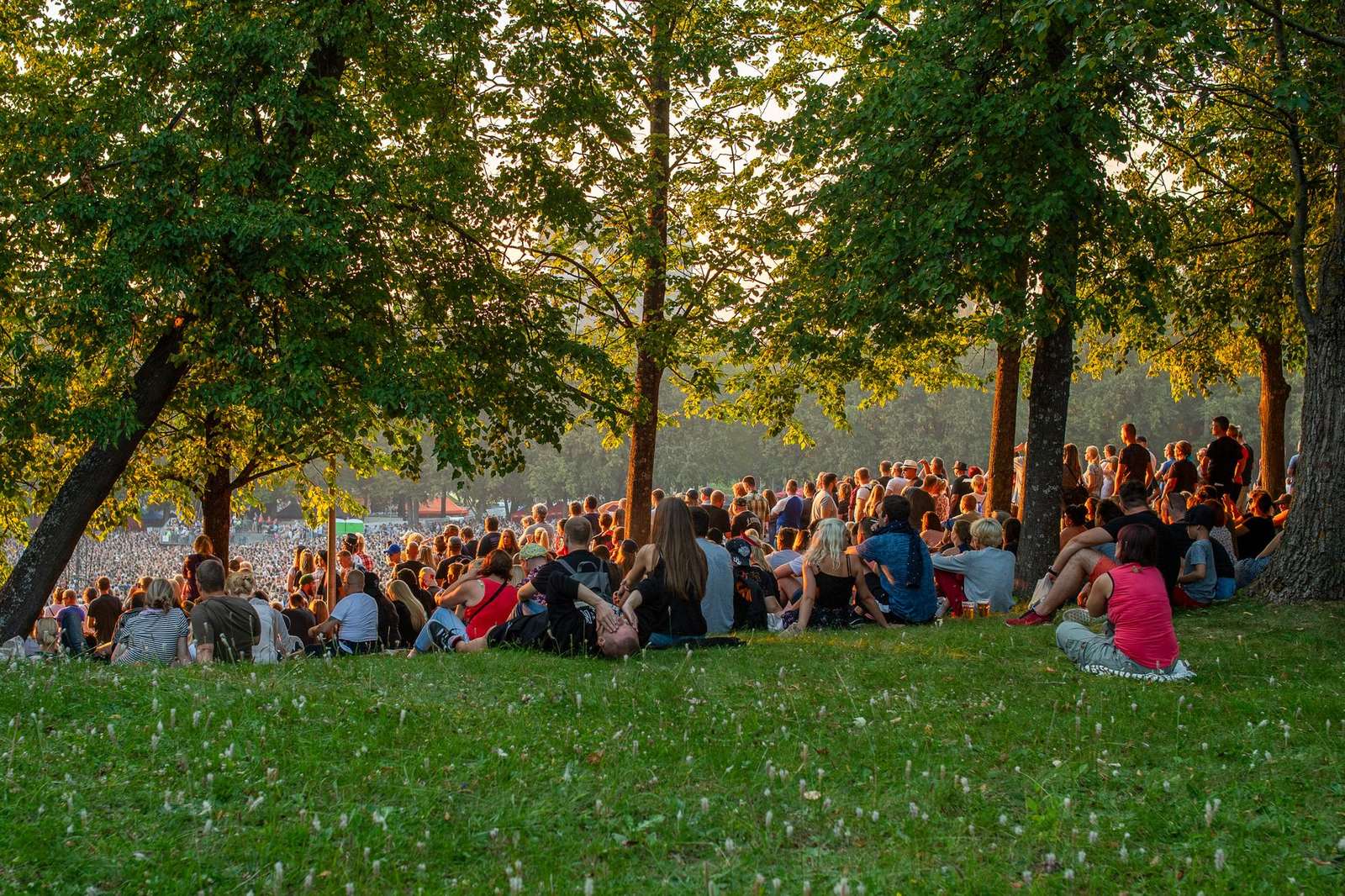
Held near Crickhowell in mid Wales, Green Man is described by VisitWales as a family-friendly festival that has grown into a week-long event, with capacity for 25,000 people.
VisitWales pitches it as a celebration of music, art and beer in green scenery. That mix of art and music is a good clue to its character: it is built for wandering as much as for watching one stage.
Hill-country sites tend to bring changeable weather. Waterproofs and sturdy boots are a sensible bet at any outdoor festival in Wales.
Cambridge Folk Festival, England
The Cambridge Folk Festival is long associated with Cherry Hinton Hall. In July 2025, Cambridge City Council announced a changed format for 2026: a multi-venue approach, with Cherry Hinton Hall remaining the heart as a scaled back, two-day outdoor event including basic camping.
That is a useful reminder that festivals evolve. Check the current format before you travel, because the shape of the event can shift from year to year.
Big festivals versus small ones
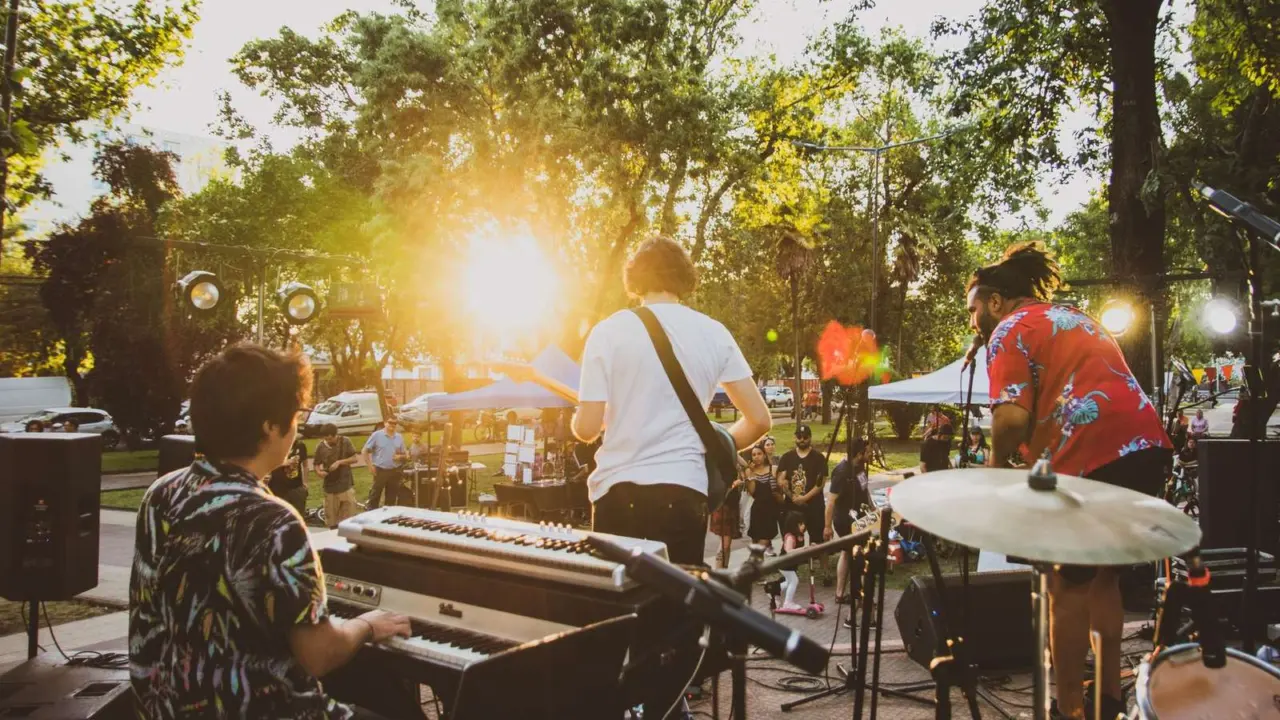
Large events offer variety, but a smaller gathering can feel more personal. The three festivals above are well known, yet the scene also lives in village halls, barns, theatres and community fields.
Smaller festivals often put the listening experience first. Crowds are quieter, sets are closer, and you may chat with the musicians afterwards.
Both kinds have a place. A large festival is a good way to discover new artists in a single weekend, while a small one rewards patience and curiosity.
- Large festivals: more stages, more choice, more walking, more noise
- Small festivals: a gentler pace and a close-knit crowd
- Local folk clubs: regular nights that often feed bigger events
What to look for beyond the headliners
The bottom of a poster is often where the best discoveries sit. Smaller names on early slots tend to be the artists who are still finding their sound, and that is where indie folk feels most alive.
Read the lineup in three layers. First the names you know, then the acts they have toured with, then the ones you have never heard of.
- Check streaming pages for a track or two from each unfamiliar act
- Note which acts play more than once
- Look for workshops, talks and sing-along sessions in the programme
- Leave one slot empty so you can follow a recommendation from a stranger
Festivals with a strong arts and community side, like the one VisitWales describes at Green Man, reward this kind of slow exploring. You may spend as much time at a craft tent or a beer stall as in front of a main stage.
Remember that the music is only part of the appeal. Shared meals, late-night campfire singing and chance conversations are why many people return to the same field every year.
Getting the most from the weekend
Go in with a loose plan. Mark a few must-see sets, then leave gaps for wandering into a tent because you liked the sound coming out of it.
Arrive early for acts that suit a small stage, since quiet music draws people who want a good view. Respect the crowd too: listen quietly during soft songs and save conversations for the breaks.
Afterwards, build a playlist from what you heard. Following the artists you liked is the easiest way to find the next festival worth visiting.
How to choose and plan your festival
Pick by the experience you want, not just the headliner. A small, seated listening event gives a very different weekend from a camping festival with several stages.
- Decide how much you value quiet, close-up sets against big-stage energy.
- Check the venue type, camping options and travel time.
- Read the lineup for artists you already love and a few you do not know.
- Confirm dates, format and tickets on the festival’s own website.
- Pack for weather and bring ear protection if you are sensitive to volume.
Listening to the lyrics beforehand also helps. Our piece on indie folk lyrics themes explains what many of the songs are really about, so a sing-along will feel natural.
Frequently asked questions
Which indie folk festival has the longest history?
Show answer
Among the ones covered here, Newport dates to 1959 according to Wikipedia. It has run annually at Fort Adams State Park since its 1985 revival.
Are these festivals only for folk fans?
Show answer
No. Most mix genres, so indie, rock and roots fans will find plenty to enjoy.
Can I rely on the details in this guide?
Show answer
Treat them as a starting point. Formats, capacity and dates change, so always confirm with the festival itself.
Is Cambridge Folk Festival the same each year?
Show answer
Not necessarily. As of Cambridge City Council’s July 2025 announcement, the 2026 edition was planned as a scaled back, two-day outdoor event at Cherry Hinton Hall.