
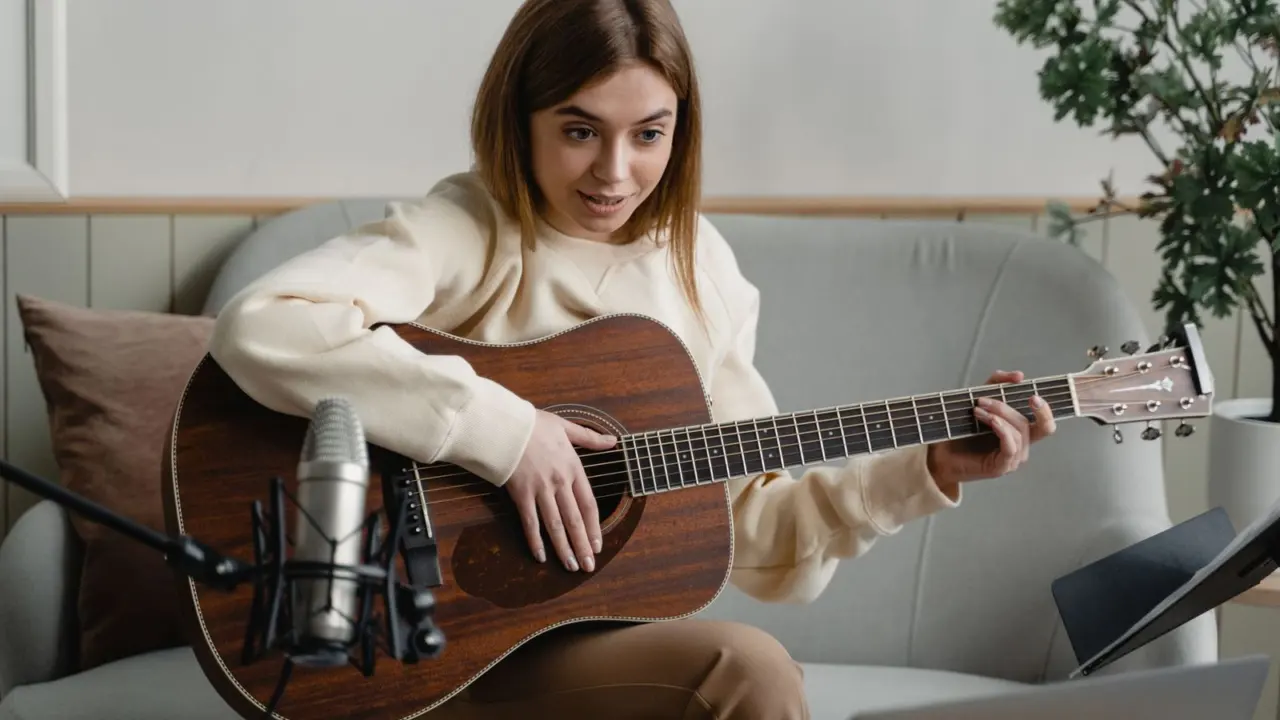
Looking for indie folk songs with female vocals that go beyond the obvious playlist picks? Start with Joni Mitchell, Laura Marling and Phoebe Bridgers, then follow the voice, not the label, to find more.
New to the genre? Our guide on how to get into indie folk covers the basics first.
| Item | Value |
|---|---|
| Laura Marling, Grammy nominations for Best Contemporary Folk Album | 2 (2018 and 2021) |
| Laura Marling nominated albums | Semper Femina; Song For Our Daughter |
| Phoebe Bridgers, nominations announced for the 2021 Grammys | 4, including Best New Artist |
| Phoebe Bridgers nominated album | Punisher (Best Alternative Music Album) |
| Joni Mitchell at Newport (live album) | Best Folk Album nominee, a live album from the Newport Jazz Festival |
Figures come from the Recording Academy’s Laura Marling page and The Line of Best Fit. Award records can change, so check the sources before you rely on them.
What makes a female-led indie folk song stand out?
In indie folk the voice is usually the lead instrument. A guitar or banjo sets the mood, but the singer’s phrasing, breath and small cracks carry the song.
Female vocalists in the genre tend to follow a few paths. Knowing them helps you pick by mood rather than by name:
- Confessional storytellers who sing close to the microphone, as if talking to one person.
- Literary songwriters whose lyrics reward a second and third listen.
- Harmony builders who layer voices until the chorus feels like a room full of friends.
- Genre crossers who blend folk with rock, jazz or electronics.
The foundation: Joni Mitchell
She was still getting recognised late in life. As the Reuters report on the nominations put it, the folk legend was nominated for Best Folk Album for “Joni Mitchell at Newport, a live album that captured her surprise performance at the Newport Jazz Festival in 2022.” If you want her voice with a live-room feel, that is a good place to begin.
Modern voices to start with
Laura Marling
Marling writes in a low, steady, almost spoken register. The Recording Academy lists her nominations for Best Contemporary Folk Album for Semper Femina (2018) and Song For Our Daughter (2021). Either record suits a quiet evening and headphones.
Phoebe Bridgers
Bridgers pairs soft, close vocals with dark humour and big emotional turns. According to The Line of Best Fit, she received four nominations, including Best Rock Performance for “Kyoto” and Best Alternative Music Album for Punisher. “Kyoto” is the more upbeat way in; the album rewards a full front-to-back listen.

How to build your own playlist
Pick songs by mood first, then let one artist lead you to the next. A simple routine works well:
- Choose one song you already love and note what pulls you in: the voice, the lyrics or the harmonies.
- Listen to the artist’s full album once, without shuffle.
- Look at who they tour with, cover or thank in the liner notes, and try one track from each.
- Keep a short list of keepers and drop the rest without guilt.
Seasons help too. For cosy, leaf-fall listening, try our list of autumn indie folk songs, and for tender duets and confessions see these indie folk love songs.
Match the voice to your mood
The same genre can soothe you or leave you wrung out. Choosing by mood saves time, because a gentle track at the wrong moment can feel flat while the right one feels like a friend.
- Winding down at night: pick hushed, fingerpicked songs with sparse arrangements and a close, warm vocal.
- Working or studying: choose steady, mid-tempo songs where the lyrics will not pull your attention away.
- Driving or walking: go for songs with a drum pulse and group harmonies that lift the chorus.
- Feeling low: try songs that name the feeling honestly. Dark, funny and sad lyrics can be oddly comforting.
Treat these as starting points. A song that sounds sad on paper may leave you lighter, and that is often the point of the genre.
What to listen for in the singing
Once you know the big names, training your ear makes every new song more rewarding. Focus on one element per listen rather than everything at once.
- Tone: is the voice breathy, bright, husky or clear? Tone sets the emotional temperature before a word is understood.
- Phrasing: does the singer rush, linger or sing slightly behind the beat? Folk singers often bend time to stress a line.
- Harmony: listen for second voices. A harmony placed under the lead can change how a lyric lands.
- Space: notice the silences. Quiet records leave gaps, and the gaps carry weight.
This approach also helps when you branch out from the names above. You will recognise what you like in a new singer within a verse or two.
Going further after the first few songs
Once you have a few favourites, widen the circle slowly. Albums are usually the best unit in this genre, because many records are sequenced as a whole and a single track can hide the full picture.
Live recordings are another good route. Try the Joni Mitchell live set mentioned above.
Keep a running note on your phone with the song, the singer and one word about how it felt. After a few weeks you will see patterns, such as a preference for low voices or for songs built on a single guitar, and those patterns will guide your next search far better than any ranking.
Finally, trust your own reaction. If a voice makes you stop what you are doing, follow it, read about the songwriter and see who else they work with. Collaborations, guest spots and shared tours are the quickest map of the scene.
Listening tips for quiet vocals
Many of these records are mixed intimately, so small details matter. Headphones reveal the breath between lines and the soft harmony underneath.
If you listen on speakers, a quiet room matters more than expensive gear.
Read the lyrics while you listen the first time. Female-led indie folk often hides its sharpest lines in plain language, and they are easy to miss in the background.
Frequently asked questions
Is indie folk the same as traditional folk?
Show answer
No. Indie folk borrows acoustic instruments and storytelling from traditional folk, but the songs are usually original and often use modern production and personal lyrics.
Which artist should I try first?
Show answer
Try Laura Marling for calm, lyric-led songs or Phoebe Bridgers for a more emotional, modern sound. Joni Mitchell is the best choice if you want the roots of the style.
Do I need to know music theory to enjoy these songs?
Show answer
Not at all. Listening for the voice, the story and the mood is enough to find what you like.
Are award nominations a good guide?
Show answer
They are one signal, not a rule. Nominations show critical attention, but your own taste matters more, so treat them as a starting point.