Wondering where to start with Bon Iver? It is the project of Justin Vernon, who began with a hushed, cabin-recorded folk album and later moved toward strange, electronic-tinged experiments.
This profile is part of our guide to indie folk artists.
| Item | Detail |
|---|---|
| Band founded | 2006 |
| Debut album release | July 2007, independently |
| Time spent in the cabin | Three months, western Wisconsin |
| Jagjaguwar signing confirmed | October 29, 2007 |
| 22, A Million released | September 30, 2016 |
| i,i announced release date | August 30, 2019 |
These details come from Wikipedia’s Bon Iver entry. Figures and dates can change, so check the source before you rely on them.
Who is Bon Iver?
Bon Iver is an American indie folk band founded in 2006 by the singer-songwriter Justin Vernon.
The project is often described as a band, but it began as one person with a laptop and a few microphones. Over time Vernon has surrounded himself with a rotating circle of collaborators, and the sound has grown from solo folk to something far more layered.
If you like quiet, emotionally raw songwriting, this is a natural place to land. The project also sits beside other artists in the genre, such as Fleet Foxes, who share a love of big harmonies and open space.
The cabin and For Emma, Forever Ago
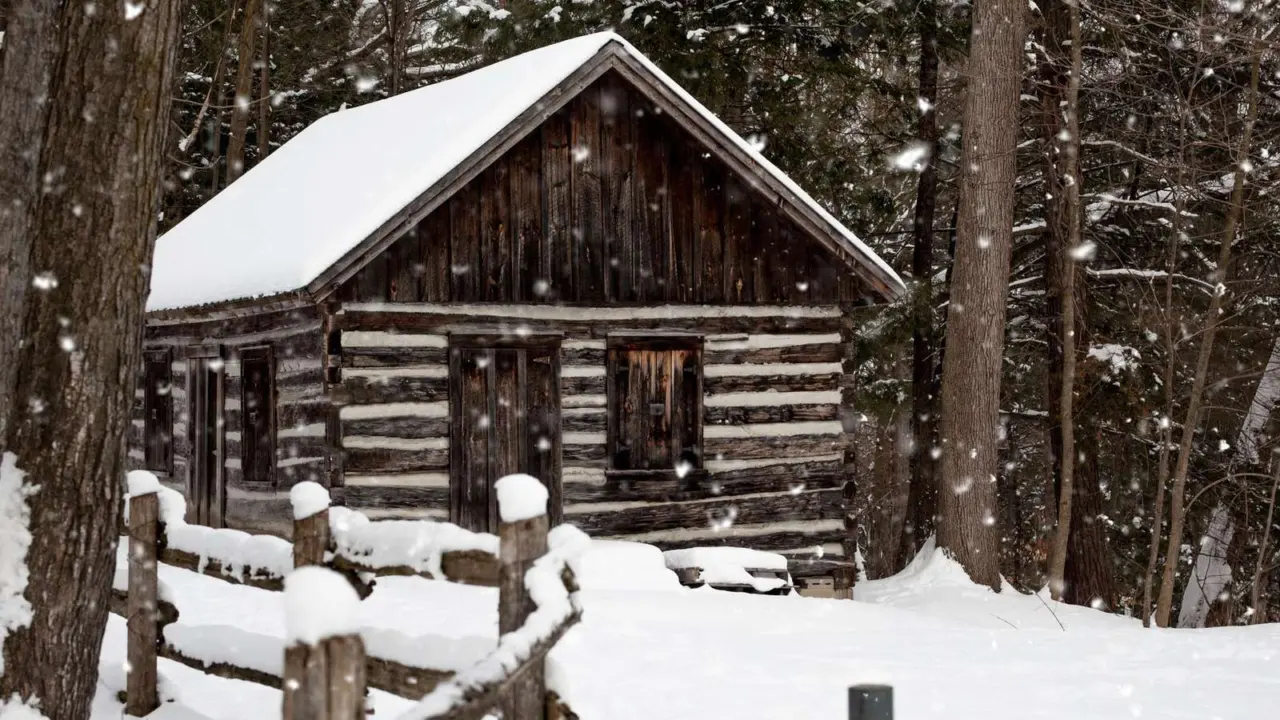
The origin story is the part most listeners know. Vernon spent the winter at his father’s cabin in Dunn County, Wisconsin.
According to Wikipedia, the majority of the debut album was recorded while he spent three months isolated in a cabin in western Wisconsin. He had recently finished helping the band The Rosebuds with some recording, so he arrived with basic recording gear.
The result, For Emma, Forever Ago, was released independently in July 2007. Its sound is built on a few essential ingredients:
- A close-miked acoustic guitar
- Vernon’s layered falsetto, stacked into choirs of his own voice
- Sparse percussion and room noise that make the songs feel like a winter night
Fans of earlier lonely, intimate folk will hear a kinship with the work discussed in our piece on Nick Drake, even though the vocal style is quite different.
From word of mouth to a record deal
The record spread first through word of mouth, and labels soon took notice. Wikipedia reports that the band’s management spoke with various record companies, both independent and major, before choosing the indie label Jagjaguwar.
The same entry says the signing was confirmed on October 29, 2007. That is a useful reminder that the album first appeared as a self-release and only later reached a wider audience through a label.
The story matters because it shaped how people hear the album. A record made alone, with limited gear, carries the feeling of a private diary that was never meant for an audience.
Grammy recognition in 2012
The band’s second album, the self-titled Bon Iver, widened the sound with fuller arrangements. In February 2012, MPR News reported that the Eau Claire, Wis.-based band and its leader picked up two Grammys, in the Best New Artist and Best Alternative Music Album categories.
The same report says Vernon told the audience it was hard to accept the award because of all the talented artists he knows who have not had the same recognition. That humility has become part of the project’s public image.
Some people found it odd that a band with an older debut won a “new artist” prize. Whatever you make of that debate, the win brought a much bigger audience to a quiet Wisconsin folk project.
It also changed what was expected of Vernon. A man who had made a record alone in the woods was suddenly standing on one of music’s biggest stages, and the following years show him choosing curiosity over comfort.
What makes the sound distinctive
Several habits recur across the catalogue, even as the style shifts. Knowing them helps you hear what ties the early and later records together.
- Layered vocals: Vernon often builds a whole choir from his own voice, so a single line can feel crowded and lonely at once.
- Impressionistic lyrics: words are chosen as much for how they sound as for what they literally say.
- Texture over hooks: a song may drift and swell rather than chase a chorus.
- Processed voice: later records bend and fracture the vocal with effects, which turns it into another instrument.
This blend of old-fashioned folk intimacy and modern studio tools is why the project is filed under indie folk but never stays still there. Listeners who like conventional acoustic songwriting and listeners who like electronic experiments can both find a way in.
It also explains the mixed reactions to each new album. Each record asks you to adjust your expectations, and the reward is usually in repeat listens rather than first impressions.
Turning experimental: 22, A Million and i,i
After a break from touring, the band returned with a very different record. 22, A Million was released on September 30, 2016, and Wikipedia notes a drastic change in instrumentation, including collaborations with a group of saxophonists.
The band followed it with i,i, announced for release on August 30, 2019. Wikipedia says that album was nominated at the 2020 Grammy Awards for Album of the Year.
Here is a rough guide to how the albums feel:
- For Emma, Forever Ago: intimate, acoustic, wintry.
- Bon Iver: lush, spacious, full-band folk.
- 22, A Million: fragmented, electronic, experimental.
- i,i: warmer and more collaborative, while keeping the experimental edge.
Where to begin listening
Your best starting point depends on your taste. If you want the classic story, begin with the cabin album and listen on headphones, ideally on a cold evening.
If you prefer songs with more texture, try the self-titled album next. If you enjoy adventurous production, jump to 22, A Million.
The Wikipedia entry used for this article lists Sable, Fable, released in 2025, as the band’s fifth and most recent album. Check the current discography before you assume nothing newer exists.
A simple way to listen is to pick one album per mood. Choose the cabin record for quiet nights, the full-band folk album for a long drive, and the experimental records when you want something that rewards close attention.
Whichever path you take, the through-line is Vernon’s voice: fragile, searching, and unafraid to change shape.
Frequently asked questions
Where does the name Bon Iver come from?
Show answer
The supplied research does not establish the origin of the name.
Was the first album really recorded in a cabin?
Show answer
Yes. Wikipedia says the majority of For Emma, Forever Ago was recorded during three months of isolation in a cabin in western Wisconsin.
Did Bon Iver win a Grammy?
Show answer
Yes. MPR News reported that the band won Best New Artist and Best Alternative Music Album in February 2012.
Is Bon Iver a band or a solo project?
Show answer
It began as Justin Vernon’s solo project and is now credited as a band with several members, according to Wikipedia.